Overview
The Department of Nephrology at Believers Hospital is dedicated to delivering high-quality, patient centered kidney care, focused on achieving optimal clinical outcomes. Equipped with advanced technology and evidence-based practices, the department provides comprehensive management for a wide spectrum of renal disorders, including clinical nephrology, hemodialysis, peritoneal dialysis, interventional nephrology, critical care nephrology, and renal transplantation. Our dedicated team of nephrologists, skilled technicians, and nurses is here to assist kidney patients in maximizing their quality of life while ensuring they receive the best possible care.
With a high-volume outpatient service and extensive experience in renal replacement therapies, the department performs approximately 2,500 hemodialysis sessions each month and conducts regular renal transplant procedures. Expertise in interventional nephrology enables precise management of vascular access and advanced dialysis-related interventions. The department offers specialty clinics and emphasizes preventive nephrology.
In addition to clinical excellence, the department is actively involved in academic and training initiatives, including a DrNB Nephrology program in association with CMC Vellore, a dedicated POCUS Academy, and regular educational programs such as workshops, conferences, and CMEs. Through integrated patient care and strong academic engagement, the department continues to set high standards in nephrology services and education.
Services
Hemodialysis
Hemodialysis & Advanced Extracorporeal Therapies
Hemodialysis unit at BCMCH is a high-volume center of excellence, performing an average of 2,500 dialysis sessions per month. The facility is engineered to deliver safe, efficient, and compassionate renal replacement therapy (RRT) through a multi disciplinary team of expert nephrologists, specialized nurses, and certified dialysis technicians. We have advanced centrifugal apheresis machines for therapeutic plasma exchange.
Specialized Dialysis Modalities
Standard Hemodialysis (HD)
SLED (Sustained Low-Efficiency Dialysis)
SCUF (Slow Continuous Ultrafiltration)
CRRT (Continuous Renal Replacement Therapy)
PIRRT (Prolonged Intermittent Renal Replacement Therapy)
Advanced Blood Purification Services
Plasmapheresis (Therapeutic Plasma Exchange)
Hemoperfusion
Peritoneal Dialysis
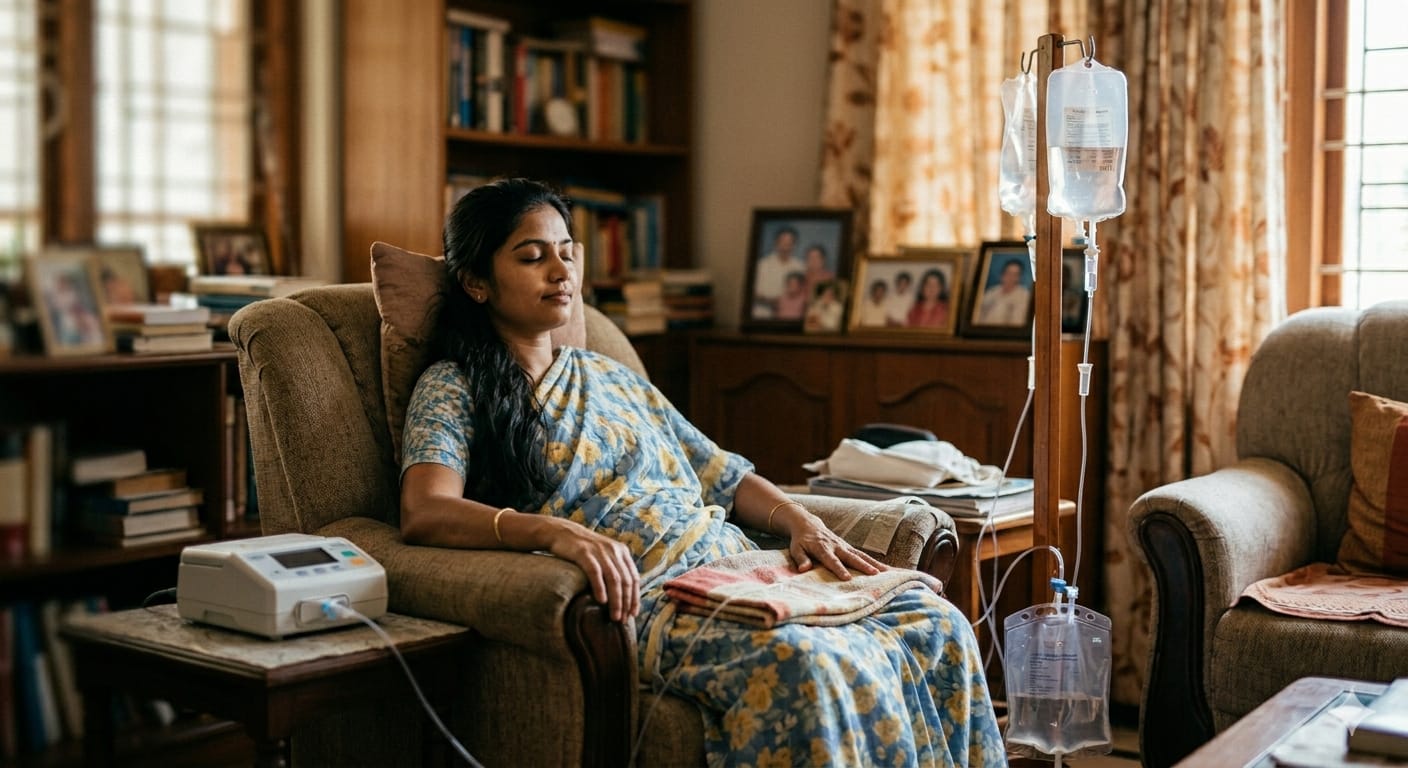
At BCMCH, we believe kidney care should integrate seamlessly into daily life. As a designated Center of Excellence for Peritoneal Dialysis (Home dialysis), we specialize in providing a patient- centered alternative to traditional hemodialysis, enabling individuals to manage their health within the comfort of their own homes. We are also a leading PD troubleshooting center in Central Kerala, offering expert support for complex cases and complications. Additionally, we have a dedicated ward exclusively for Peritoneal Dialysis patients, ensuring focused and specialized inpatient care whenever required.
Our PD Center of Excellence
Comprehensive Training Program: The center provides structured, one-on-one training modules for patients and caregivers, ensuring competency in home-based PD procedures, infection prevention protocols, and complication recognition prior to independent therapy initiation. 24/7 Clinical Support System: A dedicated and experienced PD nursing team offers round-the-clock clinical support for troubleshooting, emergency guidance, and protocol-based intervention, ensuring uninterrupted care delivery. Integrated Multidisciplinary Care: The program is supported by a specialized team comprising nephrologists, PD technicians, trained nursing staff, and renal dietitians.
Advancing Care: Professional Training Hub
Beyond patient care, BCMCH is a vital training hub for the medical community. We are committed to expanding access to Peritoneal Dialysis by empowering healthcare teams from other institutions, providing structured training to help them establish and run their own independent PD programs.
Critical Care Nephrology
The Department of Nephrology at Believers Hospital provides comprehensive Critical Care Nephrology services for critically ill patients. We offer advanced extracorporeal renal support therapies such as Continuous Renal Replacement Therapy (CRRT) for hemodynamically unstable patients, plasmapheresis for immune-mediated and antibody-related disorders, and hemoperfusion for toxin removal and severe inflammatory states. The department also provides advanced management for snake envenomation and its complications. These therapies are delivered using advanced medical technology and evidence-based protocols, in close collaboration with intensivists and other specialty teams, ensuring timely intervention and optimal outcomes for critically ill patients.
Interventional Nephrology
Our Interventional Nephrology unit is a leading center for dialysis access and kidney-related procedures, led by nephrologists with specialized interventional training. The unit is supported by a dedicated Interventional Nephrology laboratory equipped for advanced procedures and also functions as a regional referral center for complex and high-risk cases. We are pioneers in ultrasound guided AV fistula interventions and have popularized innovative techniques across multiple states and the country. These methods offer a highly cost-effective alternative to cath lab–based interventions and are part of our hospital’s patient-first initiative.
Services Performed
- Vascular Access & Dialysis Procedures
Central Venous Catheter Placement (Tunneled and Non-Tunneled)
Peritoneal Dialysis Catheter Insertion
AVF Fistuloplasty
AV Fistula Thrombolysis
- Diagnostics & Imaging
Doppler Evaluation of AV Fistula and Venous Mapping
Ultrasound-Guided Renal Biopsy
IVC Assessment
Specialty Clinics
At Believers Hospital, our Department of Nephrology offers a range of specialty clinics to provide focused, expert care for patients with specific kidney-related conditions. Each clinic is led by experienced nephrologists and supported by a multidisciplinary team, ensuring personalized care and optimal outcomes.
1. Onco-Nephrology Clinic
2. Peritoneal Dialysis (PD) Clinic
3. Hypertension Clinic
4. CKM (Chronic Kidney–Metabolic) Clinic
5. Stone Clinic
6. UTI Clinic for Women
- Onco-Nephrology Clinic
Our Onco-Nephrology Clinic—the first of its kind in India—is dedicated to providing comprehensive kidney care for patients with cancer. We offer specialized management for individuals undergoing chemotherapy, targeted therapies, and immunotherapy, with close monitoring of kidney function and early identification and treatment of therapy-related renal complications. The clinic works in close collaboration with oncology and hematology teams to ensure safe, seamless, and integrated care throughout the cancer treatment journey.
Areas of Care:
- Kidney Function Monitoring – Regular assessment during cancer therapy.
- Management of Therapy-Related Kidney Complications – Early identification and treatment of nephrotoxic effects.
- Integrated Care with Oncology Teams – Collaborative approach for personalized treatment plans.
- Prevention of Kidney Injury – Strategies to minimize renal risk during cancer treatment.
- Supportive Care for Chronic Kidney Disease (CKD) Patients – Specialized guidance for patients with pre-existing kidney conditions.
- Patient Education & Counseling – Guidance on renal health during and after cancer therapy.
- Follow-up & Long-Term Monitoring – Ongoing care to ensure kidney health post-treatment.
Peritoneal Dialysis (PD) Clinic
Our PD Clinic, conducted on Tuesdays and Fridays, provides comprehensive care for patients undergoing peritoneal dialysis. Services include patient training, catheter care, prevention and management of complications, and continuous clinical monitoring. We cater to both acute peritoneal dialysis and long-term Continuous Ambulatory Peritoneal Dialysis (CAPD), with a strong emphasis on patient independence and quality of life. The clinic is supported by specially trained PD technicians and nursing staff who provide ongoing monitoring, education, and dedicated patient support.
- Hypertension Clinic
Hypertension Clinic offers specialized evaluation and management of high blood pressure, particularly in patients with kidney disease as well as those with newly detected hypertension. We emphasize accurate diagnosis, lifestyle modification, and individualized, advanced treatment strategies to prevent kidney damage and cardiovascular complications. The clinic is equipped with Ambulatory Blood Pressure Monitoring (ABPM) and comprehensive assessment methods to ensure precise blood pressure evaluation and optimal long-term control.
- Chronic Kidney-Metabolic (CKM) Clinic
Our Chronic Kidney-Metabolic (CKM) Clinic offers comprehensive care for patients with kidney and metabolic health concerns. We focus on prevention, early detection, and holistic management to support long-term wellness.
Services & Focus Areas:
- Risk Assessment & Early Detection
- Lifestyle & Wellness Support
- Metabolic Health Management
- Kidney Protection & CKD Care
- Cardiovascular Health
- Integrated Medication Management
- Multidisciplinary Care
- Patient Education & Empowerment
- Ongoing Monitoring & Follow-up
- Stone Clinic
The Stone Clinic provides expert care for patients with kidney stones, including evaluation, medical management, prevention strategies, and coordination for minimally invasive procedures when required. We focus on preventing recurrence and preserving kidney function.
Services & Focus Areas:
- Comprehensive Evaluation
- Medical Management
- Minimally Invasive Procedures
- Recurrence Prevention
- Kidney Health Preservation
- Patient Education & Counseling
- Follow-up & Monitoring
- UTI Clinic for Women
Our UTI Clinic for women specializes in the evaluation and management of recurrent urinary tract infections and is led by an experienced female nephrologist, with particular attention to patients with underlying kidney disease. We provide targeted diagnostic evaluation, preventive strategies, and individualized treatment plans aimed at protecting renal health and reducing recurrence.
Clinic Services:
- Comprehensive Diagnostic Evaluation
- Individualized Treatment Plans
- Preventive Strategies
- Kidney Health Protection
- Patient Education & Counseling
- Follow-up & Monitoring
Renal Transplantation
Renal transplantation services are offered through a coordinated multidisciplinary team comprising experienced nephrologists, transplant surgeons, urologists, transplant coordinators, and specially trained nursing staff. The program emphasizes comprehensive pre-transplant evaluation, precise surgical management, and structured post-transplant care to ensure optimal graft function and long term patient outcomes. Care is delivered using standardized protocols and a collaborative approach, ensuring safety, continuity, and high-quality transplant care.
DrNB Nephrology
The DrNB Nephrology programme at Believers Church Medical College Hospital, Thiruvalla, offers two seats and is meticulously designed to train fully competent and confident nephrologists capable of independently handling complex renal challenges. With a high patient load and a diverse case mix, candidates receive extensive clinical exposure across the entire spectrum of nephrology.
The department houses one of the most advanced Interventional Nephrology and Peritoneal Dialysis units in the state, with a dedicated ward. The programme provides hands-on training in AV fistula balloon angioplasty and thrombolysis, PD catheter insertion, permanent and temporary dialysis catheter placement, and ultrasound-guided renal biopsy. Boasting the highest peritoneal dialysis patient load in the region, the programme ensures strong expertise in peritoneal dialysis alongside comprehensive haemodialysis training. Additionally, candidates undergo a six-month external residency at Christian Medical College, Vellore, for transplant exposure, making this programme one of the most comprehensive and sought-after DrNB Nephrology training programmes in the country.
Academic Programs & Research
We conduct regular academic activities including conferences, CMEs, and workshops to support continuous learning and professional development. Our programs focus on Nephrology, Interventional Nephrology, and Peritoneal Dialysis, with events organized on a regular basis. We also run a dedicated POCUS Academy for point-of-care ultrasound training, widely recognized among clinicians and nephrology professionals, evidenced by participation across the country for the periodic pocus workshop. Acceptance and popularity. We are actively involved in research and regularly publish our clinical studies in national and international nephrology journals.
We conduct regular academic activities, including conferences, CMEs, and workshops, to promote continuous learning and professional development. Our academic programs focus on Nephrology, Interventional Nephrology, and Peritoneal Dialysis, with events organized at regular intervals throughout the year. We also run a dedicated POCUS Academy for Point-of-Care Ultrasound training. The academy is widely recognized among clinicians and nephrology professionals, with participants attending periodic POCUS workshops from across the country. In addition, we are actively involved in research and regularly publish our clinical studies in national and international nephrology journals.
Preventive Nephrology
The Preventive Nephrology Program at Believers Hospital emphasizes early detection, risk reduction, and health promotion to prevent kidney disease or slow its progression. It is designed for individuals of all ages—from children to adults—focusing on education, awareness, and lifestyle modification to promote long-term kidney health. As part of this initiative, our School Campaign aims to instill healthy habits from a young age, encouraging children to adopt lifestyle patterns that prevent kidney disease and other metabolic disorders, laying the foundation for lifelong wellness.
Specialists







FAQ
Dialysis is a medical process through which a person’s blood is cleansed of the toxins or wastes that kidneys normally remove. It is used when a person’s kidneys no longer function optimally. The purpose is to keep the right levels of chemicals, fluids and salts in the body so that the body functions normally.
Like healthy kidneys, dialysis keeps your body in balance. It removes waste, salt and extra water, keeps a safe level of certain chemicals in your blood, such as potassium, sodium and bicarbonate and helps to control blood pressure. A session of hemodialysis usually takes 4 hours three times a week whereas peritoneal dialysis is a continuous process.
While on dialysis you should watch your diet. In case of any breathing trouble you should contact your doctor as you may require urgent dialysis. Care of the vascular access should be ensured as advised by your physician.
Renal dialysis falls into two main divisions: haemodialysis and peritoneal dialysis. Hemodialysis cleans and filters your blood using a machine to temporarily remove harmful wastes, extra salt, and extra water from your body. Hemodialysis is most often performed in a dialysis centre but home treatment options are also available.
Peritoneal dialysis uses the lining of your abdomen and dialysis solution (a mixture of minerals and sugar dissolved in water) to filter your blood removing wastes, chemicals and extra water from your body. After several hours, the used solution is drained from your abdomen through a tube and the cycle is repeated with fresh solution
Peritoneal dialysis is a treatment for kidney failure that uses the lining of your abdomen
(peritoneum) to filter waste and excess fluid from your blood. Unlike hemodialysis, which
requires a machine and hospital visits, PD is performed at home.
A sterile dialysis solution is introduced into your abdomen through a soft tube (catheter). The
solution absorbs waste and excess fluid through the peritoneal membrane. After a few hours, the
fluid is drained and replaced with fresh solution.
Types of PD:
? Continuous Ambulatory Peritoneal Dialysis (CAPD): Manual exchanges 3–5 times
daily.
? Automated Peritoneal Dialysis (APD): Uses a machine at night while you sleep.
PD may be suitable for patients with chronic kidney disease or end-stage renal failure who:
Prefer home-based treatment
Can perform self-care or have reliable caregiver support
PD can also be adapted for children, elderly patients, and those with mobility challenges,
provided there is proper supervision or caregiver assistance.
- Flexible schedule and independence
- Continuous, gentle waste removal (easier on the heart)
- Fewer dietary restrictions than hemodialysis
- Reduced hospital visits
While generally safe, PD carries some risks:
Peritonitis: Infection of the peritoneum (symptoms: abdominal pain, fever, cloudy fluid)
Catheter-related infections
Hernias due to increased abdominal pressure
Proper hygiene, technique, and regular follow-ups reduce most risks.
1. Consult your nephrologist for assessment.
2. Have a catheter placed surgically in your abdomen.
3. Receive training from a specialized nurse on PD exchanges and hygiene.
4. Begin home-based PD with ongoing monitoring and support from your healthcare team.
5. Caregiver or family support is especially important for children, elderly, or patients with
mobility challenges.
News & Events
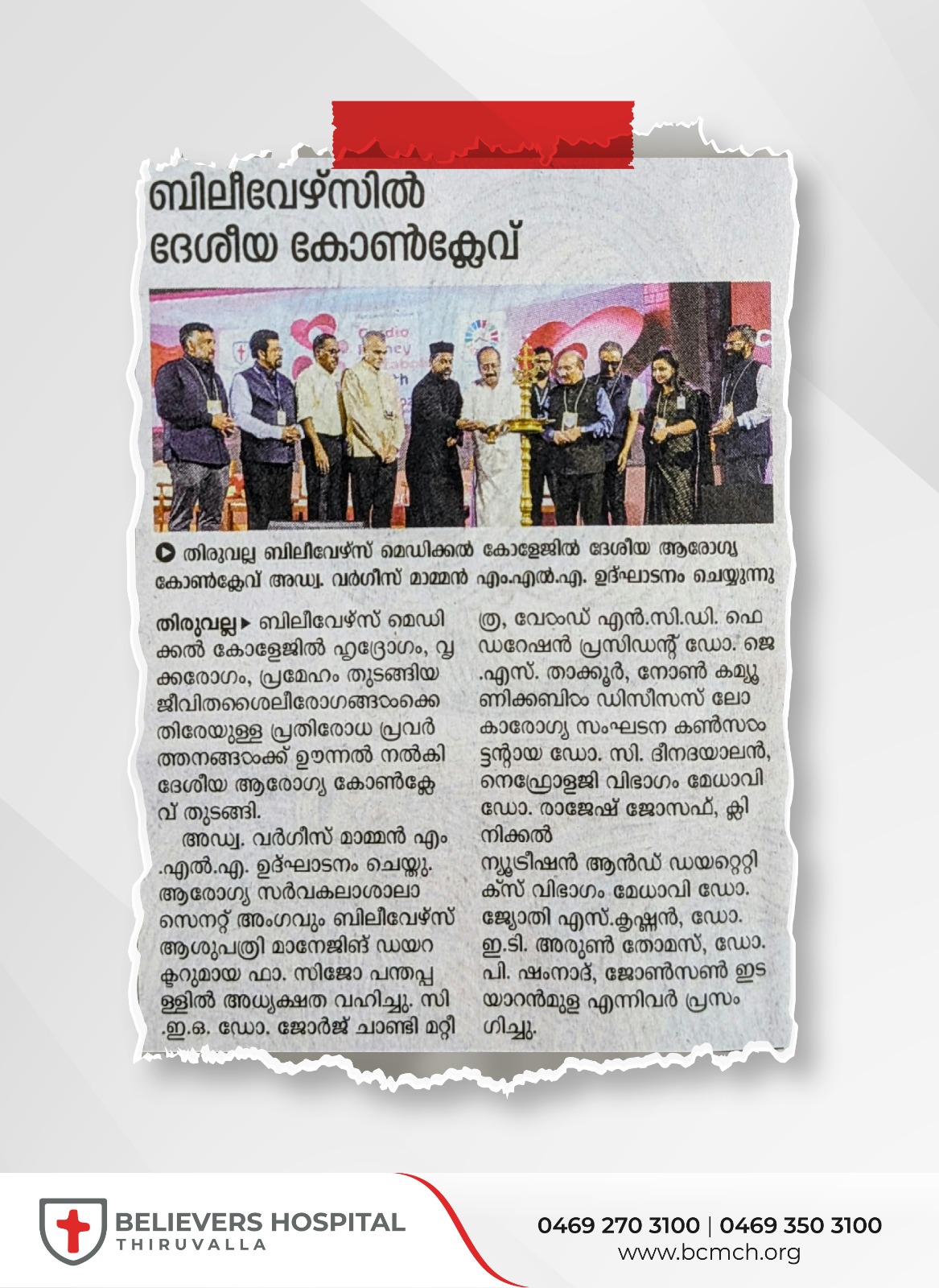
Science, policy and people, all in one place. Across 26 and 27 September, our CKM…
View this Post

The National Conference and Workshop on Peritoneal Dialysis , organized by Believers Church Medical College…
View this Post

Organ donation is often referred to as the "greatest gift" because it allows one person…
View this Post
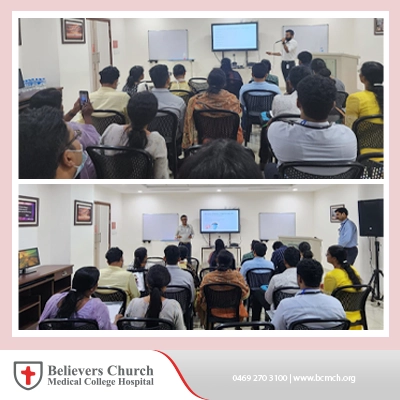
Mastering Diabetes Management in CKD workshop by Believers Hospital's Department of Nephrology
View this Post

Nephrology Department organized an insightful snake bite CME on Oct 1, 2023, for med professionals…
View this Post

An initiative by the Department of Nephrology, Believers Hospital & BCRS. Join us for an…
View this Post

To mark World Kidney Day, the Nephrology Department at Believers Hospital initiated a comprehensive year-long…
View this Post

Believers Hospital has introduced the first Onco-Nephrology division in India, offering specialized kidney care for…
View this Post