Your Heart Sends Warnings — Are You Listening?
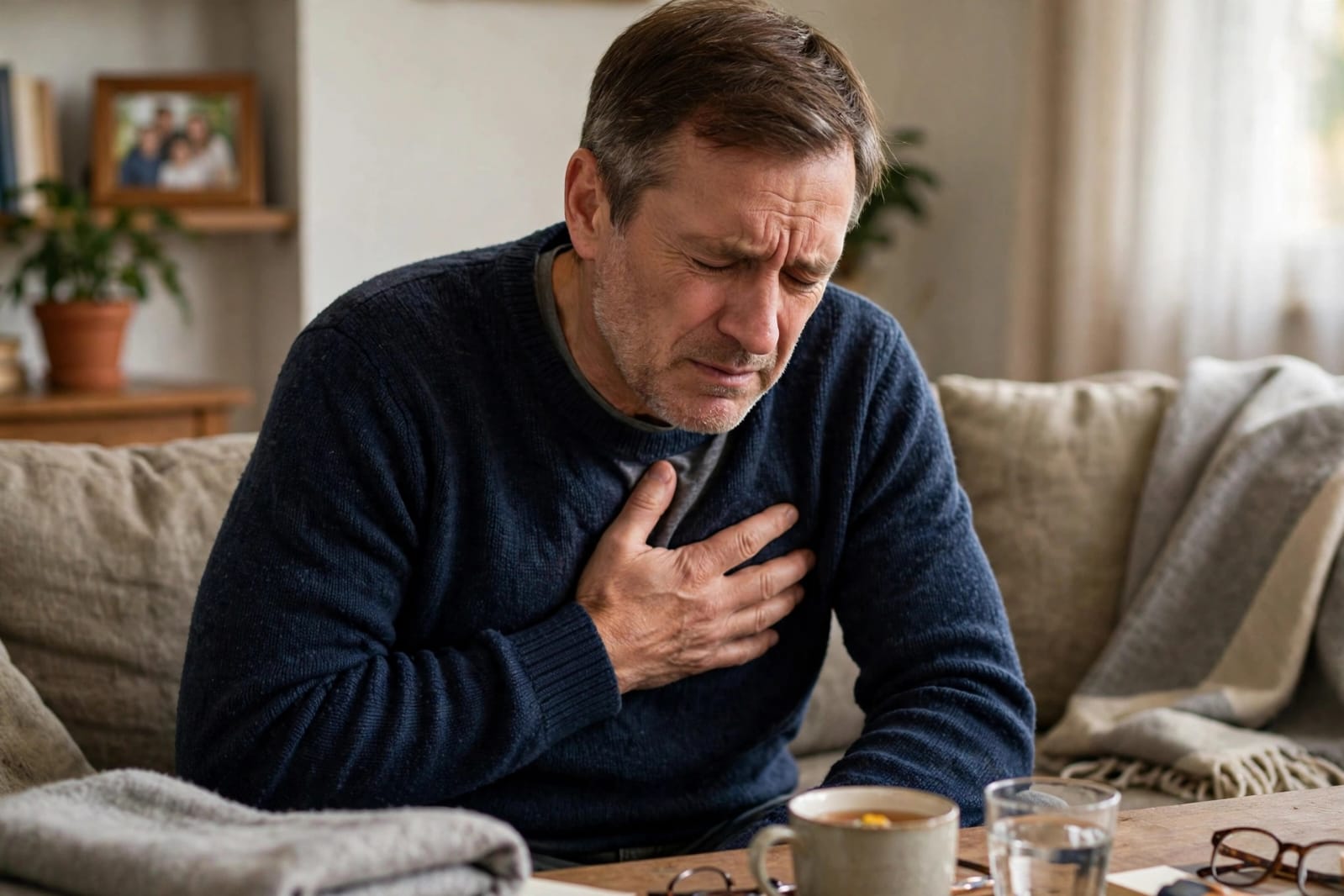
Every 33 seconds, someone in the world dies from cardiovascular disease. Yet heart disease remains one of the most preventable conditions in medicine — provided we learn to recognise its warnings early enough. Heart disease is an umbrella term covering a wide range of conditions affecting the heart, the most common of which is Coronary Artery Disease (CAD) — caused by narrowed or blocked arteries that reduce blood flow to the heart muscle.
The good news is that with the right knowledge and timely medical care, most people with heart disease can lead full, healthy lives.
What Is Coronary Artery Disease?
The heart is a muscle that works continuously to pump blood through the body. Like every muscle, it requires a steady supply of oxygen-rich blood — delivered through the coronary arteries. When fatty deposits (plaque) accumulate inside these arteries, a process known as atherosclerosis, the arteries narrow and blood flow to the heart is reduced. This is Coronary Artery Disease. Over time, a plaque may rupture and trigger a blood clot that completely blocks an artery, causing a heart attack.
Symptoms to Watch For
• Chest pain, pressure, or tightness (angina) — especially during physical activity or emotional stress
• Shortness of breath, even with minimal exertion or at rest
• Palpitations or an irregular heartbeat
• Dizziness, lightheadedness, or unexplained fainting
• Unusual or persistent fatigue — particularly in women
• Pain radiating to the arm, jaw, neck, shoulder, or upper back
In some individuals, particularly those with diabetes, heart disease may be 'silent' — presenting with no chest pain at all. This is why regular heart check-ups are essential, especially if risk factors are present.
Causes and Risk Factors
Common causes include:
• An unhealthy diet high in saturated fats, salt, and refined sugar
• Physical inactivity and a sedentary lifestyle
• Cigarette smoking and tobacco use
• Uncontrolled high blood pressure (hypertension)
• High cholesterol levels (particularly LDL)
• Diabetes mellitus (Type 2)
• Obesity and excess abdominal fat
Risk factors include:
• Family history of heart disease
• Age — risk increases after 45 in men and after 55 in women
• Chronic stress, anxiety, and poor sleep
• Excessive alcohol consumption
How Is Heart Disease Diagnosed?
Doctors typically begin with a thorough clinical examination and medical history. Key diagnostic investigations include:
• Electrocardiogram (ECG/EKG): Measures the heart's electrical activity and detects rhythm abnormalities or evidence of a previous heart attack
• Echocardiogram: An ultrasound of the heart that assesses its size, structure, and pumping function
• Stress Test (Treadmill Test / TMT): Evaluates how the heart responds to physical exertion
• Blood Tests: Measure cholesterol, blood sugar, and cardiac enzymes (troponin) to detect heart muscle damage
• Coronary Angiography: A specialised X-ray procedure that visualises blockages in the coronary arteries
• CT Coronary Angiography: A non-invasive alternative that provides detailed imaging of the coronary arteries
Treatment Options
Treatment is tailored to the severity of the condition and may include:
• The foundation of cardiac care — a heart-healthy diet, regular physical activity, smoking cessation, and stress management Lifestyle Changes:
• Aspirin, statins, beta-blockers, ACE inhibitors, and nitrates are commonly prescribed to control symptoms and prevent further damage Medications:
• A minimally invasive procedure in which a stent is placed to open a narrowed or blocked artery Percutaneous Coronary Intervention (PCI / Angioplasty):
• Open-heart surgery that creates a bypass around severely blocked arteries to restore blood flow to the heart Coronary Artery Bypass Grafting (CABG):
Prevention: What You Can Do Today
• Eat a diet rich in fruits, vegetables, whole grains, and lean protein; reduce salt, fried foods, and processed snacks
• Exercise for at least 30 minutes on most days of the week — brisk walking, swimming, or cycling are excellent options
• Quit smoking — the risk of heart disease drops significantly within one year of stopping
• Monitor and manage blood pressure, cholesterol, and blood sugar levels regularly
• Maintain a healthy body weight and waist circumference
• Limit alcohol consumption
• Seek regular cardiac screening, especially if you have a family history of heart disease or multiple risk factors
Conclusion
Your heart works tirelessly for you — every minute of every day. Give it the attention it deserves.
At Believers Hospital Thiruvalla, the Department of Cardiology and Cardiothoracic Surgery provides comprehensive cardiac care — from risk assessment, non-invasive diagnostics, and interventional cardiology to advanced open-heart surgery. If you experience any of the symptoms described above, or simply wish to assess your cardiac health, do not delay seeking a consultation. Early detection saves lives.