Chronic Heart Diseases and Treatment Options?
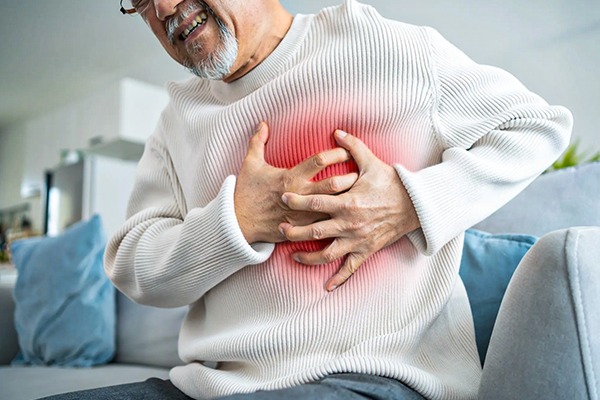
Did you know that the heart, weighing about the size of your fist, is the powerful organ responsible for pumping blood throughout your body? Yet, so many of us take heart health for granted.
The heart is a vital muscular organ that works continuously. It beats around 100,000 times a day, making it essential for overall health and survival. Diseases affecting the heart take a great toll on health. Let us explore chronic heart diseases and treatment options and more !
What is Cardiology?
Cardiology medicine focuses on the study and treatment of heart and blood vessel conditions. Cardiology assessment involves:
-
Diagnosing
-
Preventing
-
Treating heart diseases
The field covers everything related to the heart's structure, function, and health. Cardiology physicians, the medical experts trained to diagnose and treat heart problems, are called cardiologists.
What are the heart disease symptoms?
Your heart speaks through its symptoms. Pay attention to your body, and don't postpone seeking timely medical advice.
Common symptoms of heart disease include:
-
Chest pain or discomfort (angina)
-
Shortness of breath
-
Fatigue
-
Dizziness
-
Swelling
-
Irregular heartbeats (arrhythmias)
-
Body Pain
-
Nausea or sweating
What are the cardiology tests to detect heart conditions?
Cardiology diagnostics involves various tests and procedures to assess heart function and detect cardiovascular diseases.
-
Electrocardiogram (ECG or EKG): Records the electrical activity of the heart to detect heart attacks and other heart conditions.
-
Cardiology echocardiogram: Heart ultrasound that provides images to assess heart function, structure, and blood flow. The cardiology transthoracic echocardiogram is a type of echocardiogram that is performed through the chest to obtain these images.
-
Stress Test: Measures the heart's ability to respond to physical stress.
-
Blood Tests: Measures cholesterol levels and blood sugar that indicate heart disease or related conditions.
-
Chest X-ray: Use to check the size and shape of the heart. Also detects fluid buildup in the lungs, which can be a symptom of heart failure.
-
Cardiac Catheterization (Angiography): A catheter is inserted into a blood vessel and guided to the heart. It checks for blockages or narrowing in the coronary arteries.
-
CT or MRI Heart Scan: Provides detailed images of the heart's structures and blood vessels. Useful for detecting heart diseases like coronary heart disease or heart valve problems.
Believers Hospital, Thiruvalla, offers top outpatient services and advanced cath lab procedures to ensure the best care.
What are chronic heart diseases, and what are the treatment plans?
-
Coronary Artery Disease (CAD)
The treatment goal is to improve blood flow to the heart, reduce symptoms (like chest pain), and prevent heart attacks.
Treatment Plan:
-
Medications: Statins, beta-blockers, blood thinners, and nitroglycerin can help manage symptoms and reduce the risk of a heart attack.
-
Surgical Procedures:
-
Angioplasty and stenting: A balloon is used to open up blocked arteries, and a stent is placed to keep the artery open.
-
Coronary artery bypass grafting (CABG): Bypass surgery is adopted in case of severe blockage that may require rerouting the blood flow.
-
Hypertension (High Blood Pressure)
The treatment goal is to lower blood pressure to prevent damage to the heart and other organs.
Treatment Plan:
-
Medications: ACE inhibitors, diuretics, calcium channel blockers, and angiotensin II receptor blockers (ARBs).
-
Heart Failure
The treatment goal is to improve the heart's ability to pump blood, manage symptoms, and improve the quality of life.
Treatment Plan:
-
Medications: Diuretics, ACE inhibitors, beta-blockers, and aldosterone antagonists can help manage symptoms and improve heart function.
-
Devices and Surgery:
-
Pacemaker: In some cases, a pacemaker may be used to regulate the heart's rhythm.
-
Left Ventricular Assist Device (LVAD): In severe cases, a mechanical pump may be implanted to help the heart pump blood.
-
Heart transplant: For patients with end-stage heart failure, a heart transplant may be necessary.
-
Arrhythmias (Abnormal Heart Rhythms)
The treatment goal is to restore normal heart rhythm and prevent complications like stroke or heart failure.
Treatment Plan:
-
Medications: Anti-arrhythmic drugs, Blood thinners, Beta-blockers
-
Procedures
-
Electrical cardioversion: A procedure where an electrical shock is used to reset the heart's rhythm.
-
Catheter ablation: A minimally invasive procedure that uses heat or cold to destroy the tissue responsible for the arrhythmia.
-
Pacemaker: A device that helps regulate the heart's rhythm in cases of slow heartbeats.
-
Implantable cardioverter defibrillator (ICD): A device implanted in the chest to monitor and correct dangerous arrhythmias.
-
Valvular Heart Disease
The treatment goal is to repair or replace damaged heart valves to restore normal blood flow.
Treatment Plan:
-
Medications: Diuretics, Blood thinners, ACE inhibitors
-
Surgical Procedures
-
Valve repair: Surgery repairs the damaged valve to restore normal function.
-
Valve replacement: A severely damaged valve may need to be replaced with a mechanical or biological valve.
-
Transcatheter valve replacement: A minimally invasive procedure adopted in cases where traditional surgery is too risky.
-
Congenital Heart Defects
The treatment goal is to correct structural abnormalities and improve heart function.
Treatment Plan:
-
Medications: Medications to manage symptoms, reduce strain on the heart, and prevent infections (such as antibiotics before certain procedures).
-
Surgical Repair: Many congenital heart defects require surgery to correct structural issues, such as:
-
Septal defect repair: Repairing holes in the heart's walls.
-
Valve repair or replacement: Fixing of faulty valve issue.
-
Arterial switch operations: To correct abnormalities in the large arteries.
-
Catheter-based procedures: Defects treated through minimally invasive procedures, such as balloon atrial septostomy.
What are the Minimally invasive procedures?
Procedures like angioplasty and stent placement allow doctors to open blocked arteries with small cuts. Thus reducing recovery time and risks compared to traditional surgery.
How to cope with Heart Disease?
Coping with a diagnosis and living with heart disease can be tough, but managing it is possible. Stay positive, talk to your doctor, and learn about the heart condition suffering and its treatment options.
What are the lifestyle Modifications to be Employed?
-
Balanced diet
-
Exercise
-
Stop smoking
-
Limit alcohol
-
Stress management through meditation, yoga, or counselling
-
Weight monitoring
-
Avoiding triggers like excessive alcohol, caffeine, and stress
Psychological support and counselling are important for dealing with anxiety or depression that may come with the diagnosis. A strong support system of family, friends, and healthcare professionals is essential for emotional well-being and recovery.
Physical activity and heart health are highly related. Start exercises after asking the doctor's expert opinion. Cardiology rehabilitation is a program that helps heart disease patients recover, improve fitness, and manage risk factors for better heart health.
Why Choose Believers Hospital?
Believers Church Medical College Hospital (BCMCH) in Thiruvalla, Kerala, is renowned for its advanced cardiology services. The cardiology department in the hospital offers comprehensive care for various heart conditions.
Our Cardiology Department has the best cardiology consultants and surgeons, offering expert care with advanced technology and personalized treatment plans. We are the ones who successfully implanted the smallest leadless pacemaker cardiology procedure for the first time in south Kerala.
We also have Believers International Heart Centre (BIHC), which offers comprehensive cardiac care for patients of all ages, from newborns to the elderly. BIHC provides world-class treatment facilities at affordable prices, ensuring our patients receive advanced care for any heart-related issue.
What differentiates us?
-
Advanced Technology: We use the most modern technology and globally accepted treatment guidelines. Our minimally invasive procedures, robotic surgeries, and AI-driven diagnostics ensure accurate and effective treatment.
-
Comprehensive Heart Care: Our services include advanced diagnostics, lifestyle management, and advanced medications. Our innovative heart treatments improve overall heart health. Our expert team treats complex coronary lesions.
-
Patient-First Approach: We prioritize your heart health, ensuring reduced recovery time, fewer complications, and long-term well-being.
-
Continuous Monitoring: Our strong support system enhances your heart health and overall quality of life.
If you have concerns about your heart health, don’t hesitate to schedule a cardiology appointment.