When Every Breath Feels Like a Battle
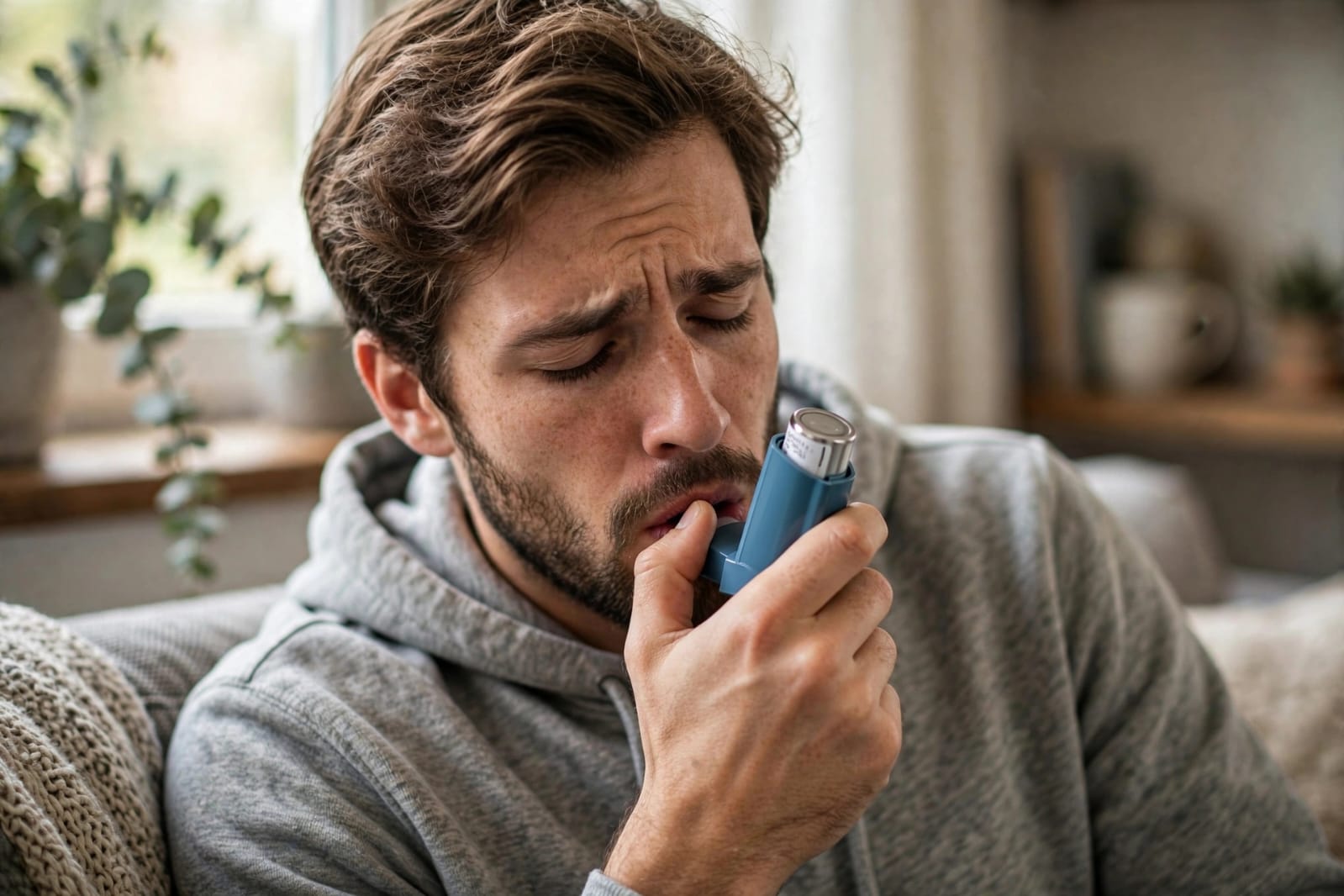
Breathing is something most of us never give a second thought — until it becomes difficult. For millions living with asthma or Chronic Obstructive Pulmonary Disease (COPD), each day involves navigating triggers, managing symptoms, and protecting a pair of lungs that work silently and ceaselessly.
Both asthma and COPD affect the airways and make breathing harder — but they are distinctly different diseases, with different causes, different patient profiles, and different management strategies. Understanding the distinction is the first step towards breathing better.
What Is Asthma?
Asthma is a chronic inflammatory condition in which the airways become narrowed, swollen, and produce excess mucus in response to certain triggers. This causes recurring episodes of wheezing, breathlessness, coughing, and chest tightness. In most people, symptoms fluctuate — worsening with trigger exposure and improving with treatment or rest. Asthma often begins in childhood, though it can develop at any age.
What Is COPD?
Chronic Obstructive Pulmonary Disease (COPD) is a progressive lung condition characterised by persistent airflow obstruction that does not fully reverse. It encompasses two overlapping conditions: chronic bronchitis (long-term airway inflammation and excessive mucus production) and emphysema (destruction of the air sacs in the lungs). COPD is most common in adults over 40 and is strongly associated with smoking. Unlike asthma, COPD tends to be irreversible and worsens over time without adequate management.
Common Triggers
For Asthma:
• Allergens: pollen, dust mites, pet dander, and mould
• Respiratory infections such as the common cold and influenza
• Cold air and sudden changes in weather
• Physical exercise (exercise-induced asthma)
• Air pollutants, cigarette smoke, and chemical fumes
• Strong emotions and psychological stress
• Certain medications (aspirin, ibuprofen, beta-blockers)
For COPD:
• Cigarette smoking — the primary cause, responsible for over 85% of cases
• Long-term exposure to occupational dust, fumes, and chemical irritants
• Indoor air pollution from burning biomass fuels or wood smoke
• Recurrent and severe respiratory infections
Symptoms
Both conditions share several common symptoms:
• Persistent cough, often with mucus or phlegm
• Shortness of breath, especially on exertion
• Wheezing — a whistling or squeaky sound when breathing out
• Chest tightness
In COPD, symptoms are typically progressive, worsening over years. In asthma, they tend to come and go. A key warning sign not to ignore: breathlessness during activities that previously caused none, or a chronic cough lasting more than three weeks.
Diagnosis
• The gold-standard test for both conditions — measures how much air you can exhale and how quickly, providing an objective assessment of airway obstruction Spirometry:
• A simple handheld device that measures airflow rate and helps monitor asthma control at home Peak Flow Monitoring:
• Assesses lung structure and rules out other conditions such as pneumonia or lung cancer Chest X-ray or CT Scan:
• Identify specific allergen triggers in asthma Allergy Tests:
• Used in severe cases to measure oxygen levels in the blood Pulse Oximetry and Arterial Blood Gas (ABG):
Treatment
For Asthma:
• Inhaled corticosteroids (ICS) — the mainstay of long-term asthma control
• Short-acting bronchodilators (reliever inhalers) for immediate symptom relief during attacks
• Long-acting bronchodilators (LABA) for additional day-to-day control
• Leukotriene modifiers and biological agents for severe, difficult-to-control asthma
• An individualised Asthma Action Plan developed with your doctor
For COPD:
• Smoking cessation — the single most important and effective intervention
• Long-acting bronchodilators (LAMA and LABA) as first-line pharmacological treatment
• Inhaled corticosteroids in combination therapy for patients with frequent exacerbations
• Pulmonary Rehabilitation — a supervised programme of breathing exercises and patient education
• Long-term oxygen therapy for advanced COPD with chronically low blood oxygen levels
• Vaccinations against influenza and pneumococcal disease to reduce the risk of exacerbations
Tips for Breathing Better
• Know your personal triggers and take consistent steps to avoid them
• Always carry your reliever inhaler and ensure you use it correctly
• Learn and practise breathing control techniques such as pursed-lip breathing
• Keep your home well-ventilated, dust-free, and free from moulds
• Quit smoking — and avoid prolonged exposure to secondhand smoke
• Stay up to date with your annual influenza vaccine and pneumococcal vaccination
Conclusion
Breathlessness should never be accepted as normal. Both asthma and COPD are manageable conditions — but they require the right diagnosis and consistent, personalised care.
At Believers Hospital Thiruvalla, the Department of Pulmonology and Respiratory Medicine is equipped with advanced spirometry, bronchoscopy, and pulmonary function testing facilities, along with a dedicated team of respiratory specialists committed to guiding you at every stage of your lung health journey. If breathing has become a burden, take the first step — speak to a specialist today.