Plastic Surgery: Types, Benefits and Risks
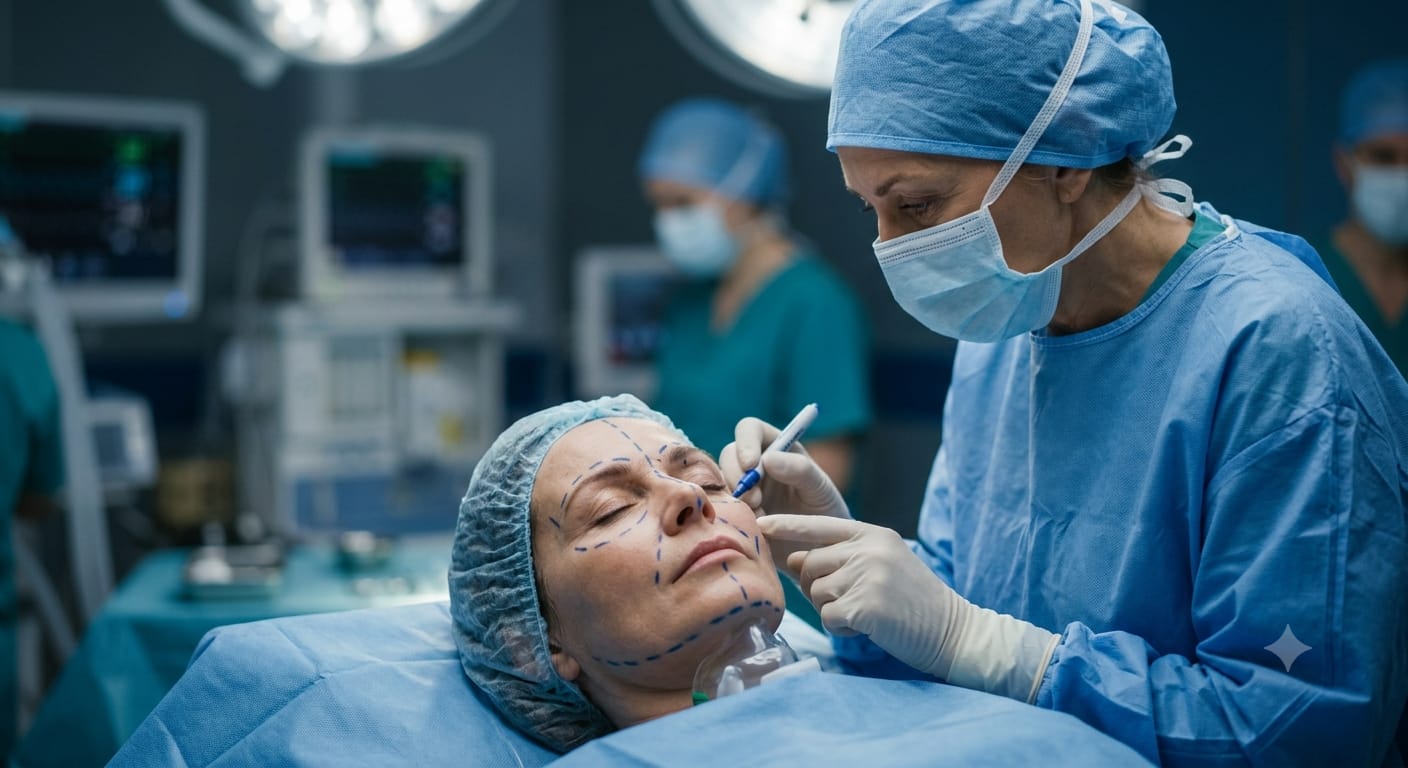
Every scar tells a story. So does every surgery that heals one. Plastic surgery is one of the oldest and most versatile branches of medicine — and yet it remains widely misunderstood, often reduced in popular imagination to cosmetic enhancement alone.
In reality, plastic surgery encompasses a broad spectrum of procedures that restore function, correct deformity, rebuild confidence, and in many cases, give people back a quality of life they feared they had lost. Understanding what it involves — and what to expect — is the first step towards making an informed decision.
What Is Plastic Surgery?
The word 'plastic' in plastic surgery derives from the Greek plastikos, meaning to mould or shape. It is a surgical specialty concerned with the repair, reconstruction, and reshaping of body structures — whether affected by birth defects, injury, disease, or ageing.
Plastic surgery is broadly divided into two categories:
• Reconstructive surgery: performed to restore the appearance and function of structures affected by congenital conditions, trauma, infection, burns, or cancer surgery.
• Aesthetic (cosmetic) surgery: performed to enhance the appearance of structures that are otherwise functioning normally, improving proportion, symmetry, and self-confidence.
Both branches require equal skill, precision, and care — and in many cases, the same patient may benefit from elements of both.
Reconstructive Plastic Surgery: Restoring What Was Lost
Reconstructive plastic surgery addresses conditions that impair a person's normal appearance or function. It is performed across all age groups — from newborns with cleft lips to elderly patients requiring wound care after cancer resection.
Common reconstructive procedures include:
• Cleft lip and palate repair: one of the most frequently performed reconstructive procedures, carried out in infancy to restore normal feeding, speech, and facial appearance.
• Skin grafting and flap surgery: used to cover large wounds, burns, or areas of tissue loss where the skin cannot heal on its own. Flaps carry their own blood supply for better healing outcomes.
• Burn reconstruction: management of post-burn contractures, hypertrophic scars, and functional deficits that arise after serious thermal injury.
• Breast reconstruction: rebuilding the breast mound following mastectomy for cancer, using implants or the patient's own tissue (autologous reconstruction).
• Brachial plexus repair: microsurgical reconstruction to restore movement and sensation in the arm following nerve injury.
• Congenital anomaly correction: including syndactyly (webbed fingers), polydactyly (extra digits), microtia (absent or underdeveloped ear), and hypospadias repair.
• Oncological reconstruction: restoring form and function after surgical removal of tumours in the head, neck, breast, chest wall, or limbs.
• Diabetic and pressure wound care: advanced flap coverage for chronic non-healing wounds and pressure sores that do not respond to conservative management.
Aesthetic (Cosmetic) Surgery: Enhancing Confidence
Aesthetic surgery is chosen by individuals who wish to alter or improve features they feel self-conscious about. It is elective in nature and, when performed by a qualified surgeon in an appropriate facility, can significantly enhance a person's sense of wellbeing and self-image.
Commonly performed aesthetic procedures include:
• Rhinoplasty (nose reshaping): refines the shape, size, or position of the nose to improve facial harmony or correct a breathing obstruction.
• Blepharoplasty (eyelid surgery): removes excess skin and fat from the upper or lower eyelids, improving a tired or aged appearance.
• Reduction and augmentation mammoplasty: breast reduction relieves physical discomfort and improves proportion; augmentation enhances breast size and shape.
• Abdominoplasty (tummy tuck): removes excess abdominal skin and fat and tightens the underlying muscles, often sought after significant weight loss or pregnancy.
• Liposuction: removes stubborn fat deposits from specific areas of the body to improve contour — not a treatment for obesity, but a contouring procedure.
• Otoplasty (ear correction): repositions or reshapes prominent ears, most commonly performed in children but suitable for adults as well.
• Gynecomastia surgery: reduces enlarged breast tissue in men, restoring a more masculine chest contour.
• Scar revision: improves the appearance of scars from previous surgery, injury, or burns through surgical excision or resurfacing techniques.
• Autologous fat grafting: transfers fat from one part of the body to another to restore volume, correct asymmetry, or enhance contour naturally.
Benefits of Plastic Surgery
The benefits of plastic surgery extend well beyond aesthetics. Depending on the type of procedure, patients may experience:
• Restored function — correcting a cleft palate enables a child to eat and speak normally; releasing a burn contracture allows a patient to use a limb again.
• Improved physical health — breast reduction relieves chronic neck, shoulder, and back pain; rhinoplasty may correct a deviated septum and improve breathing.
• Enhanced psychological wellbeing — restoring appearance after disfigurement from trauma or cancer can have a profound and lasting impact on mental health and self-esteem.
• Greater quality of life — patients who have lived for years with congenital differences or post-surgical defects often describe reconstructive surgery as life-changing.
• Improved wound healing — advanced reconstructive techniques close complex wounds that would otherwise fail to heal, preventing serious complications such as infection or limb loss.
Risks and Important Considerations
As with all surgical procedures, plastic surgery carries risks. Understanding these is essential to making an informed decision. General risks applicable to most procedures include:
• Bleeding, infection, or adverse reaction to anaesthesia.
• Delayed wound healing, particularly in smokers, diabetics, or those with compromised circulation.
• Scarring — all surgery leaves some degree of scarring, though a skilled surgeon will minimise and conceal this wherever possible.
• Asymmetry or unsatisfactory results that may require revision surgery.
• Temporary swelling, bruising, and numbness in the operated area.
Certain procedures carry additional specific risks:
• Implant-based procedures carry a small risk of implant-related complications such as capsular contracture or implant displacement.
• Liposuction, if performed aggressively or without proper technique, can result in contour irregularities or fluid shifts.
• Flap surgeries carry a small risk of partial or complete flap failure, particularly if blood supply is compromised.
The most important factor in minimising risk is choosing a qualified, experienced plastic surgeon operating within a well-equipped facility. A thorough preoperative assessment — including your medical history, current medications, and realistic expectations — is essential before any procedure is undertaken.
Who Is a Suitable Candidate?
Suitability for plastic surgery depends on the type of procedure, the patient's overall health, and their specific goals. As a general guide:
• Candidates should be in good general health and free from uncontrolled systemic conditions such as unmanaged diabetes or active infection.
• Smokers are strongly advised to cease smoking well before and after surgery, as nicotine significantly impairs wound healing and increases complication risk.
• Realistic expectations are essential — your surgeon will discuss what can and cannot be achieved, and an honest conversation at the outset prevents disappointment later.
• For elective cosmetic procedures, emotional stability and a clear personal motivation (rather than external pressure) are important markers of a good candidate.
• Children requiring reconstructive surgery are assessed individually, with timing carefully determined to optimise outcomes without compromising normal development.
Plastic & Reconstructive Surgery at Believers Hospital, Thiruvalla
Whether you are seeking reconstruction after an illness, correction of a congenital condition, or a carefully considered cosmetic procedure, the decision deserves the support of a skilled and compassionate team.
The Department of Plastic and Reconstructive Surgery at Believers Church Medical College Hospital (BCMCH) offers a comprehensive range of reconstructive and aesthetic procedures — from cleft lip and palate repair, complex microvascular free flap reconstruction, and burn management, to body contouring, facial surgery, and scar revision. Patients benefit from round-the-clock emergency care for soft tissue injuries and burns, close collaboration with oncology, orthopaedics, and other specialities, and access to the latest techniques in plastic surgery.
To learn more about our Plastic and Reconstructive Surgery services at Believers Hospital, visit:
https://www.bcmch.org/higher-specialities/plastic-and-reconstructive-surgery