The Liver: Your Body’s silent Protector
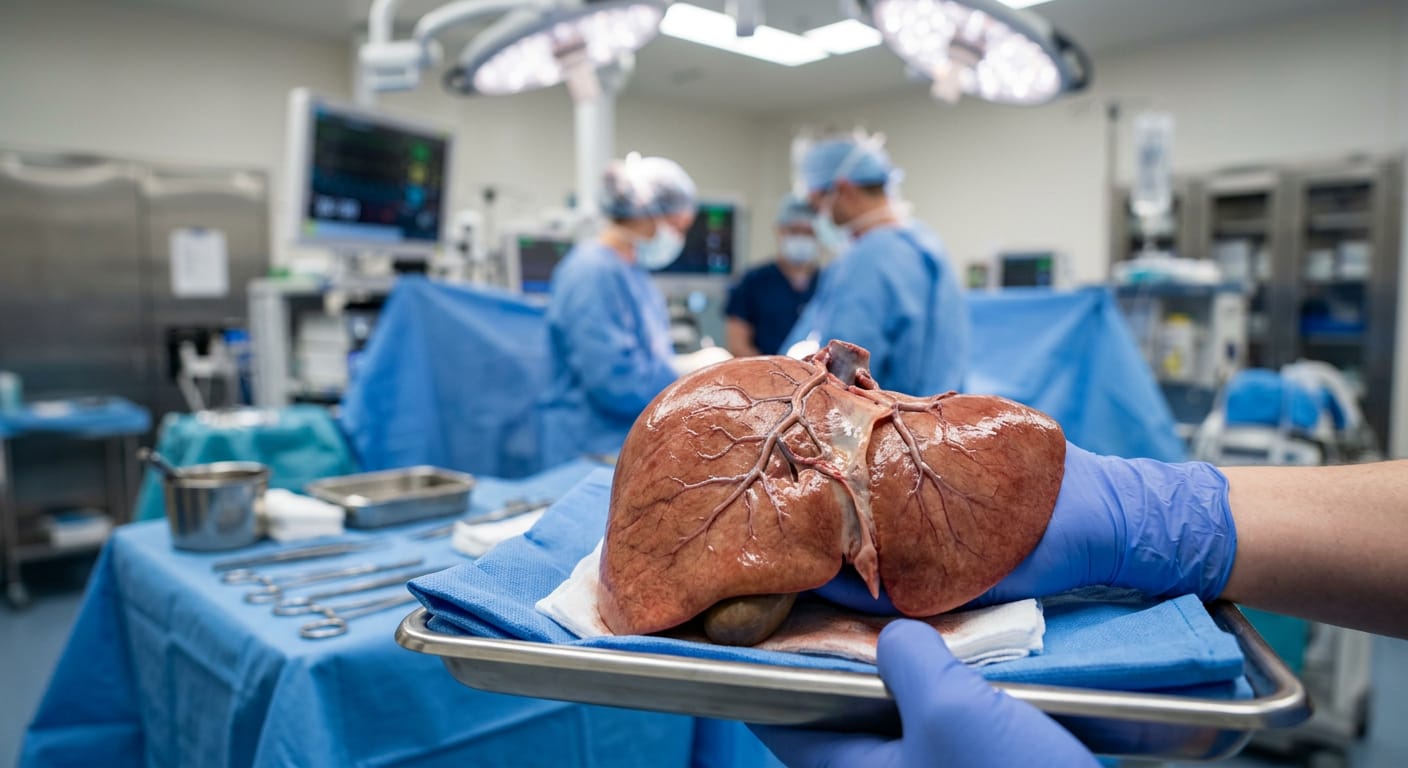
Have you ever considered an organ that quietly carries out hundreds of vital tasks every day without ever demanding attention? The liver is one of the hardest-working organs in the human body, and keeping it healthy is essential for your overall well-being.
As the largest internal organ, the liver is located mainly in the upper right part of the abdomen, just beneath the ribcage. Weighing between 1.5 and 1.8 kg, it functions as both an organ and a gland, producing crucial chemicals for the body.
Why the Liver Is Called ‘Silent’
The liver can continue working effectively even when damaged, which means many people have early-stage liver disease without noticeable symptoms. Problems are often detected only when:
-
Blood tests reveal abnormal liver enzymes.
-
Imaging scans (like ultrasound) show fat, scarring, or swelling in the liver.
Why the Liver Is So Important
The liver performs more than 500 essential tasks, including filtering toxins, processing nutrients, and producing proteins needed for healing and immunity.
-
Filters over 250 litres of blood daily to remove toxins and waste.
-
Produces bile to help digest fats in the intestines.
-
Stores vitamins, iron, and sugar (as glycogen), releasing them when the body needs energy.
-
Makes blood-clotting proteins and helps fight infections by removing bacteria from the bloodstream.
Common Liver Diseases
-
Fatty liver disease is increasingly common, especially among people with obesity, diabetes, and high cholesterol.
-
Hepatitis refers to liver inflammation caused by viruses, alcohol, or certain medications.
-
Cirrhosis is long-term scarring that impairs liver function.
-
Liver damage can also result from excessive alcohol use, infections, or misuse of medicines.
Causes and Risk Factors
Common causes include:
-
Long-term heavy alcohol consumption.
-
Viral hepatitis (A, B, and C infections).
-
Metabolic-associated steatotic liver disease (fatty liver) linked to obesity and diabetes.
-
Certain medications, herbal supplements, and exposure to toxic chemicals.
Risk factors that increase the likelihood of liver disease:
-
Obesity or being overweight.
-
Type 2 diabetes and high cholesterol.
-
Family history of liver disease or genetic disorders (e.g., haemochromatosis, Wilson’s disease).
-
Unprotected sex, tattoos/piercings with unsterile equipment, needle sharing, or unsafe blood transfusions.
How Liver Disease Is Diagnosed
Doctors usually begin with liver function tests (blood tests) to check enzymes, bilirubin, proteins, and clotting ability. Additional tests may include:
-
Imaging (ultrasound, CT, MRI) to detect fat, scarring, or tumours.
-
FibroScan or elastography to measure liver stiffness.
-
In some cases, a liver biopsy, where a small tissue sample is examined under a microscope.
Treatment and Care at Believers Hospital
Treatment depends on the underlying cause and may include:
-
Stopping alcohol and avoiding toxic medications or supplements.
-
Medications for viral hepatitis, fatty liver, or autoimmune liver disease.
-
Lifestyle changes (diet, weight management, exercise) to reverse or slow fatty liver.
-
For advanced cases: management of portal hypertension, treatment of varices, or liver transplantation.
At Believers Hospital in Thiruvalla, a multidisciplinary team in the Gastroenterology, Hepatology, and Liver Transplantation department provides comprehensive care—from prevention to advanced surgery.
Simple Prevention Tips
-
Limit or avoid alcohol entirely, especially if you already have liver concerns.
-
Get vaccinated against Hepatitis A and B if you’re at risk (e.g., healthcare workers, travellers, dialysis patients).
-
Maintain a healthy weight and eat a balanced diet rich in fruits, vegetables, whole grains, and healthy fats; reduce sugar and fried foods.
-
Avoid self-medication, and never combine herbal remedies or supplements with alcohol or prescription drugs without a doctor’s advice.
-
Follow safe practices for tattoos, piercings, and injections, and use protection during sex to prevent hepatitis-causing viruses.
Conclusion
Liver problems are often preventable or manageable when caught early, and timely care can make a significant difference.
At Believers Hospital, the Gastroenterology https://www.bcmch.org/department/gastrointestinal-and-hepatobiliary-surgery and related medical departments offer evaluation, diagnosis, and treatment support for liver-related issues, along with guidance for long-term care. If you’re concerned about your liver health, a medical consultation can help identify the cause and the best next steps.