Children’s Health: The First Steps Toward a Lifetime of Wellness
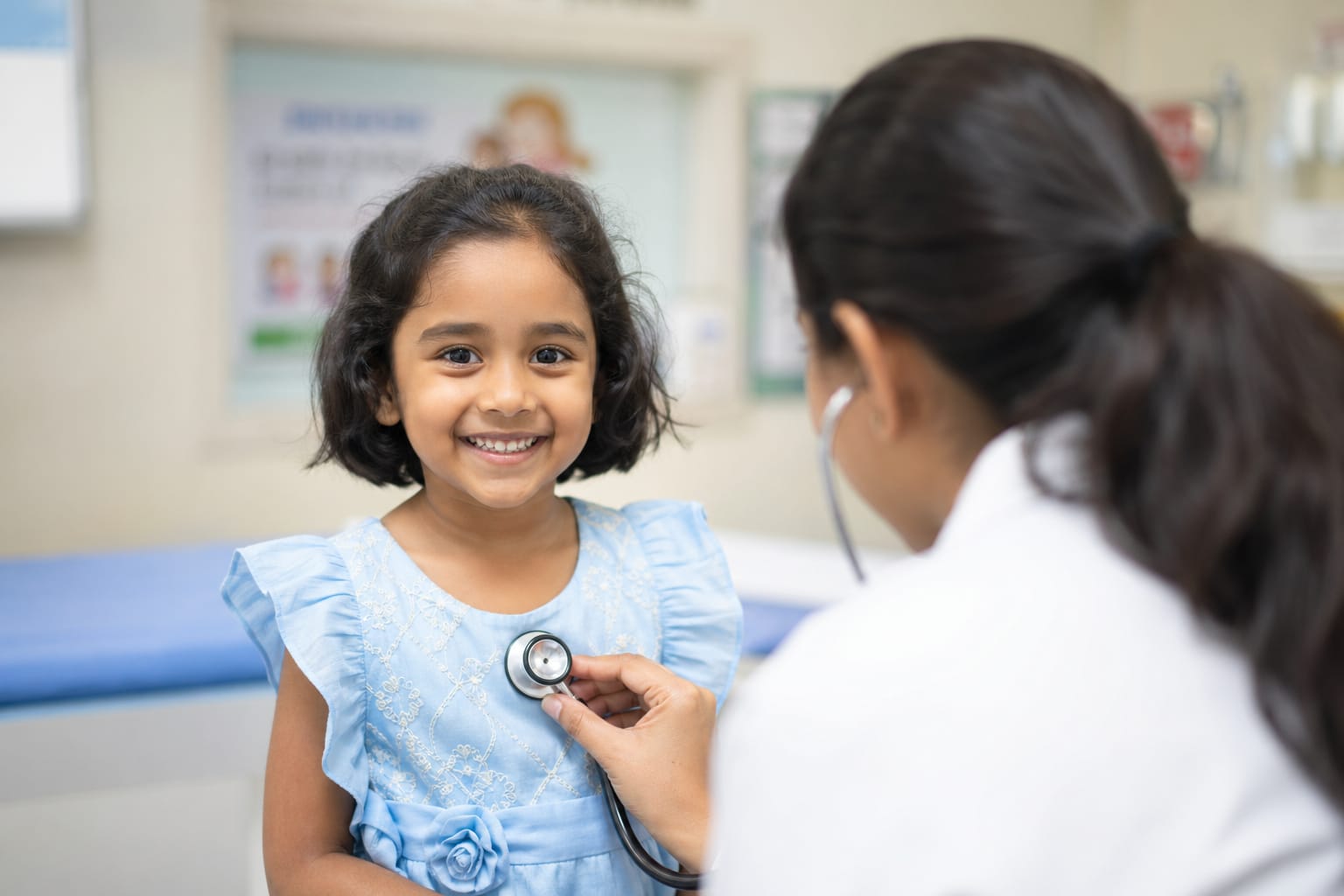
Have you ever wondered what makes a child grow into a healthy, active, and confident adult? Children’s health begins with the everyday care they receive at home, at school, and from medical professionals, and those early years play a major role in lifelong well-being.
A child’s body and mind grow rapidly, so proper nutrition, timely vaccinations, regular check-ups, and early attention to symptoms are all important. When children receive the right care at the right time, many common illnesses can be prevented, managed early, or treated effectively.
Why Children’s Health Matters
The first years of life shape brain development, immunity, and long?term health, so healthy habits early help children become healthy adults.
Good nutrition, sleep, emotional care, and regular check?ups all help prevent many chronic diseases later in life, such as obesity, diabetes, and heart problems.
Importance of Nutrition
Children need a balanced diet with protein, carbohydrates, healthy fats, vitamins, and minerals.Regular meals and healthy snacks help support growth and energy.
Excess sugary drinks, junk food, and packaged snacks should be limited. Poor nutrition can affect height, weight, concentration, and immunity.
Key points to keep in mind
-
Breastfeed infants as per doctor’s advice, then add healthy weaning foods (purees, mashed rice, lentils, fruits, vegetables).
-
Avoid sugary drinks, packaged juices, and excess fried or processed foods.
-
Portion sizes should match the child’s age and body size, not adult portions.
Importance of Physical Activity
Children should be active every day: running, climbing, playing, dancing, or walking with family.
Limit screen time:
-
Very young children (under 2–3 years) should have minimal or no screen time except for video calls.
-
Older children and teens should balance screen use with outdoor play and sports.
Importance of Sleep
Sufficient sleep is crucial for brain development, memory, mood, and immunity.
- General sleep needs (approximate):
-
Infants and toddlers: 11–14 hours per 24 hours (including naps).
-
Preschool?age: 10–13 hours at night plus a short nap.
-
School?age: 9–11 hours without long afternoon naps.
-
Teens: 8–10 hours of continuous sleep.
-
- Tips:
-
Keep a regular sleep schedule even on weekends.
-
Avoid screens, heavy dinner, and exciting activities at least 1 hour before bedtime.
-
Importance of Vaccinations and Health Check ups
Vaccines protect children from several serious but preventable diseases. Following the recommended vaccination schedule is one of the best ways to protect a child’s health. Hand hygiene, safe food, and clean water also help prevent infections. Regular deworming and preventive care may be advised depending on the child’s age and needs.
Common Health Concerns in Children
-
Fever, cough, cold, and stomach infections are common in childhood.
-
Allergies, asthma, skin rashes, and anemia are also frequently seen.
-
Repeated infections, poor weight gain, or delayed development should be evaluated early.
-
Behavioural, sleep, or learning concerns may also need medical attention.
When Parents Should Seek Help
-
If a child has high fever, breathing difficulty, dehydration, seizures, or unusual sleepiness, urgent medical care is needed.
-
Children who are not growing well, eating poorly, or losing weight should be checked by a doctor.
-
Delayed speech, delayed walking, or other developmental concerns should not be ignored.
-
Frequent infections or long-lasting symptoms need proper evaluation.
Preventing common childhood illnesses
-
Teach handwashing, brushing teeth, and good personal hygiene.
-
Encourage outdoor play and regular physical activity.
-
Maintain proper sleep routines according to the child’s age.
-
Limit screen time and promote active family time.
-
Provide safe drinking water and hygienic food preparation.
-
Avoid close contact with sick people when possible.
-
Make health check-ups part of routine care, not only when the child is sick.
Conclusion
Children’s health is the foundation for a healthy future, and small daily habits can make a big difference in their growth and development. At Believers Hospital, the Paediatrics department https://www.bcmch.org/department/paediatrics provides care for common childhood illnesses, growth concerns, infections, and preventive child health needs with a family-focused approach. If a child has persistent symptoms, poor growth, or any development-related concern, timely medical review can help ensure the right care at the right time.